Luxury Hawai’i Travel Planning
Five islands. Endless nuance. One specialist who knows them well.
Hawai’i is more than you've imagined. It's also more complicated than it looks.
The islands are stunning, the resorts are world-class, and the culture is unlike anywhere else on earth. But the difference between a good Hawai’i trip and an extraordinary one comes down to details most travelers don't know to ask about until they're already there.
That's where a specialist makes all the difference.

Finding Your Island
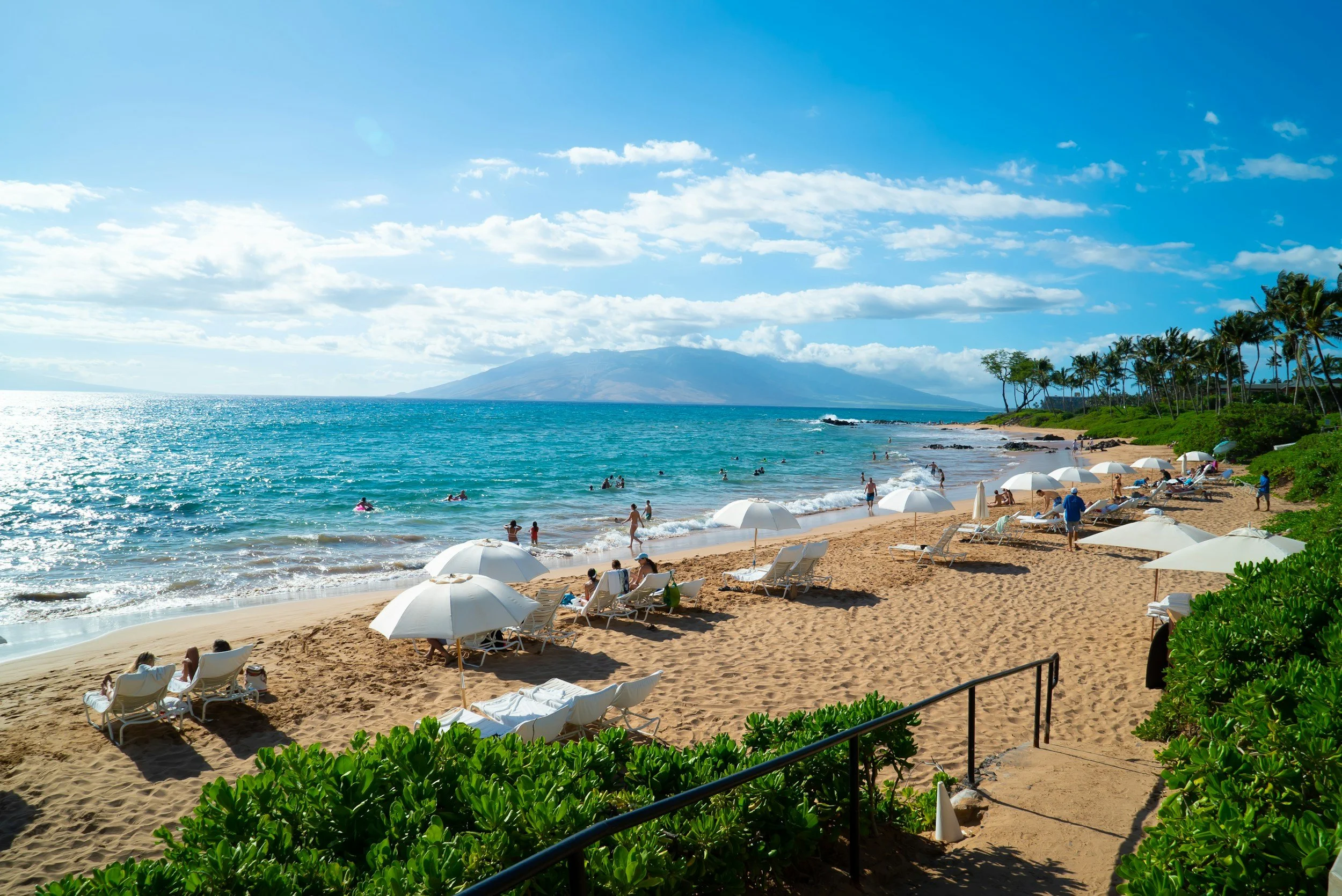
Maui earns its reputation. It's the most versatile of the Hawaiian islands, balancing world-class resorts, stunning beaches, and enough natural beauty to fill a week without repeating yourself. Whether it's a honeymoon, a family trip, or a long-overdue escape, Maui is almost always the right answer for a first visit. And it rewards repeat visitors just as well.
Maui
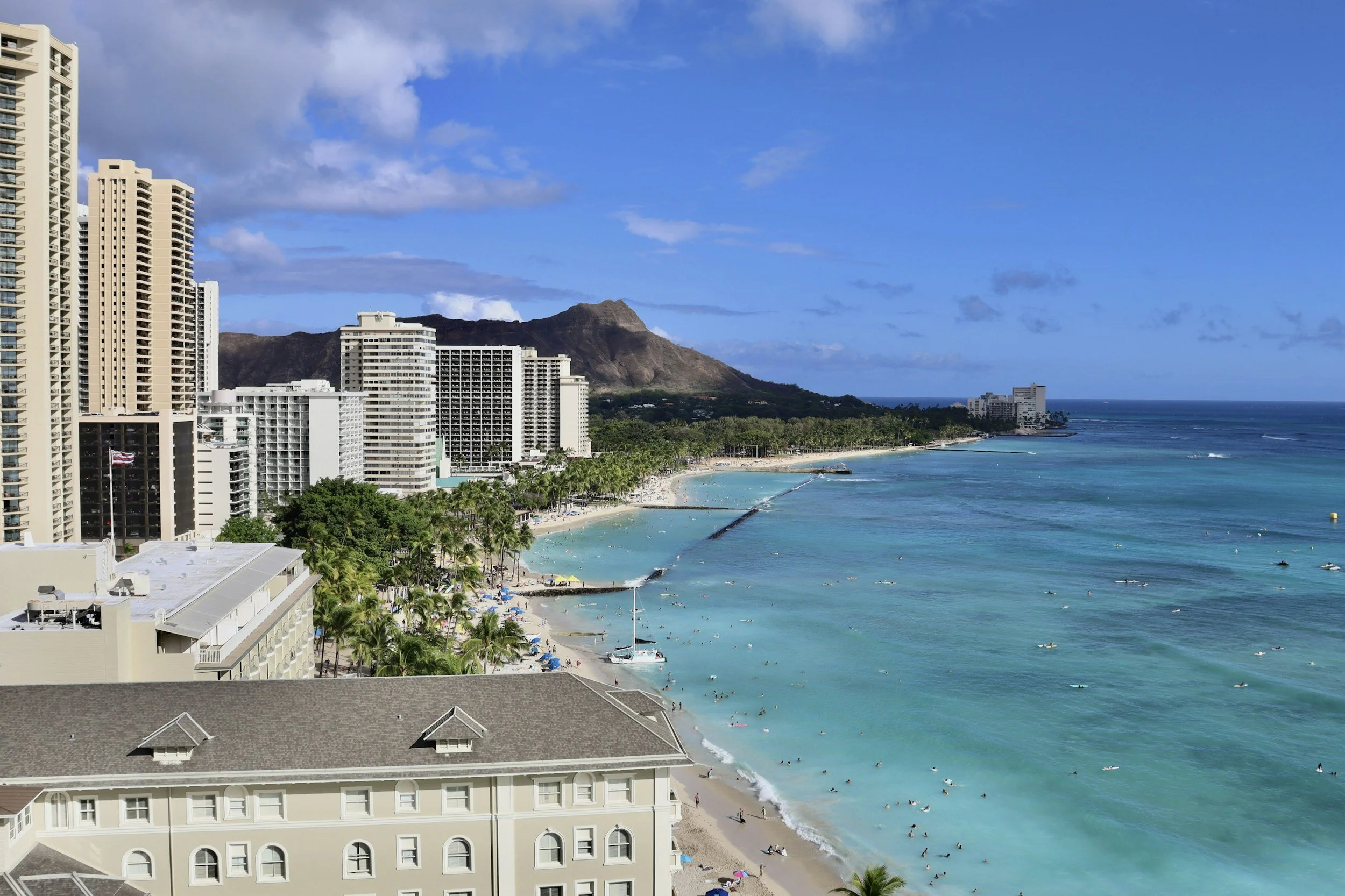
O’ahu is the island most people picture when they think of Hawai’i, and not without reason. Honolulu has genuine energy, the North Shore is iconic, and Pearl Harbor is worth your time. But O’ahu is also the most marketed, most visited island in the chain. Knowing how to experience it right makes all the difference.
Oʻahu
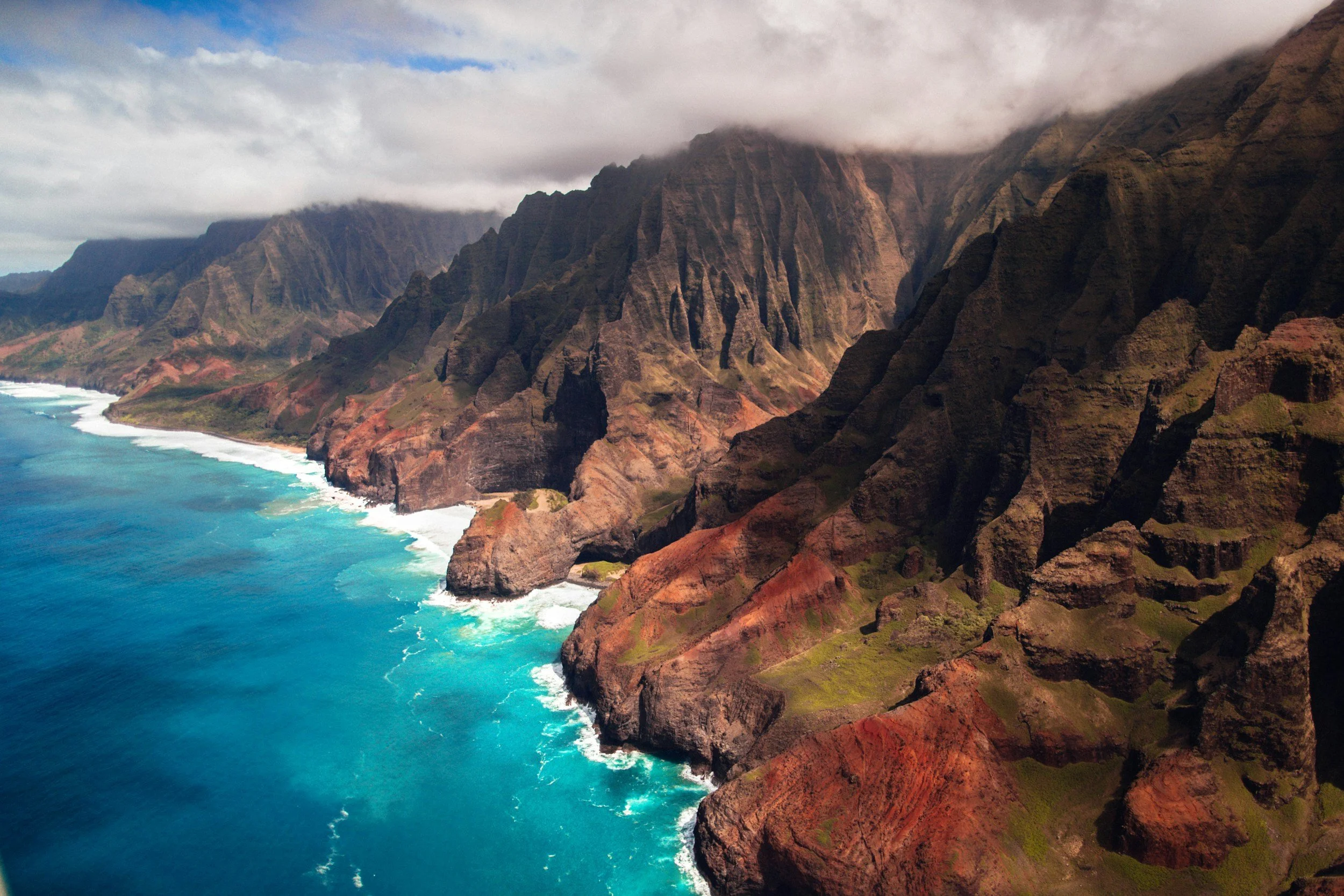
If I had to pick a personal favorite, it would be Kaua’i. It's the least commercialized of the major islands, which means the landscape still feels like it belongs to itself rather than to a resort brochure. The Na Pali Coast alone is one of the most extraordinary places I've ever stood. If you're looking for Hawai’i that feels untouched, this is your island.
Kauaʻi
No other island in Hawai’i covers this much ground, literally and figuratively. Active volcanic landscapes, dense rainforests, snow-capped peaks, and black sand beaches can all exist in the same day here. The Big Island is built for travelers who want to explore, not just unwind. If your idea of a perfect trip includes more than one kind of wonder, this is where you go.
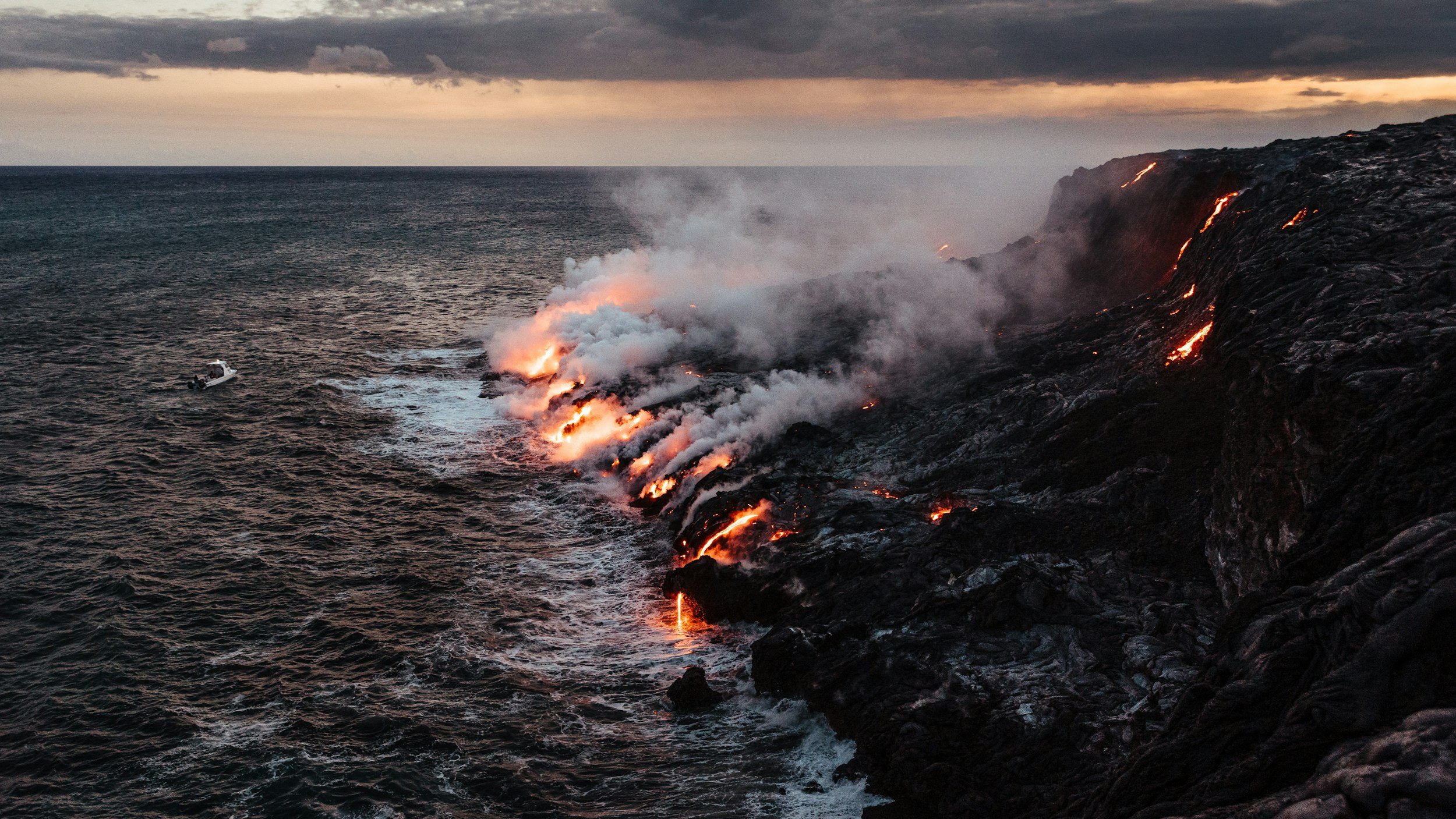
Island of Hawaiʻi (The Big Island)
Lana’i is small, intentional, and quietly extraordinary. With just one luxury resort operator on the entire island, it offers a level of seclusion that's increasingly rare in Hawai’i. It's built for a specific kind of traveler: one who values pace over programming, privacy over amenities, and a wellness experience that feels genuinely restorative rather than manufactured.
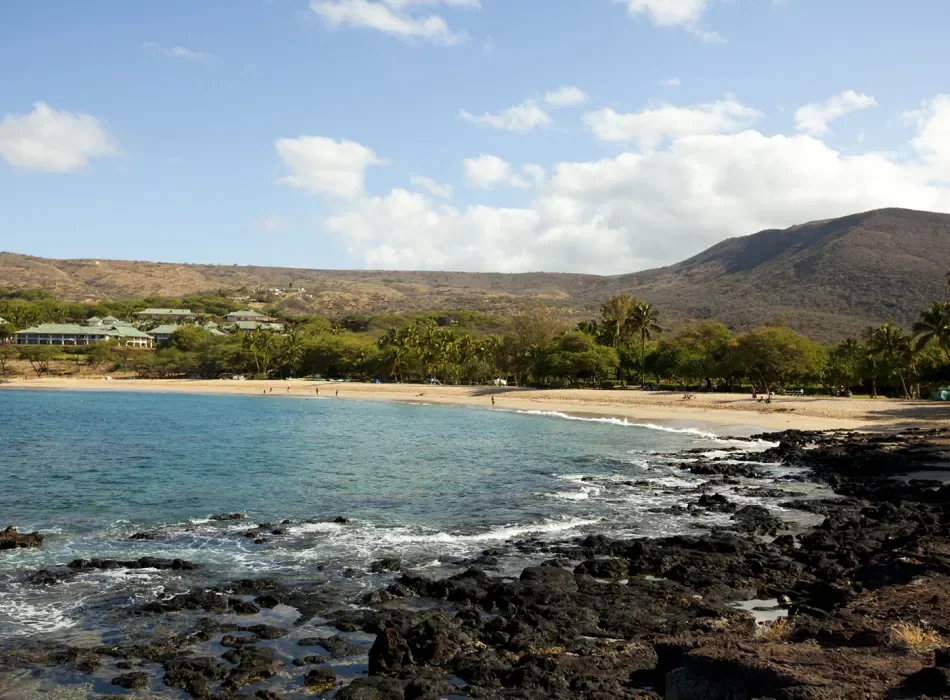
Lānaʻi

When to Go
The honest answer is that Hawai’i doesn't have a bad time to visit. The islands sit in the Pacific at an elevation and latitude that keep temperatures remarkably consistent year-round, typically in the mid-70s to mid-80s. But consistent doesn't mean identical, and timing still matters depending on what you're after.
-
December through May is peak season for a reason. The weather on most islands is at its driest and most reliable, humpback whales are actively visible off the coasts of Maui and the Big Island from roughly December through April, and the overall energy of the islands feels celebratory. It's also the most crowded and most expensive window, particularly around the holidays and spring break. If you're traveling during this period, booking well in advance isn't a suggestion.
-
June through August brings summer family travel in full force. Resorts fill quickly, beaches are busier, and rates reflect the demand. If your schedule requires summer travel, it's absolutely doable, just plan earlier than you think you need to.
-
September and October are worth a serious look for the right traveler. Crowds thin, rates soften, and the weather remains warm across most islands. It's hurricane season technically, though Hawaii sees far fewer direct impacts than other tropical destinations. For couples or professionals with schedule flexibility, this window often delivers the best overall experience for the investment.
The question of when to go is rarely just about weather. It's about what you want the trip to feel like. That's a conversation worth having before you book anything.
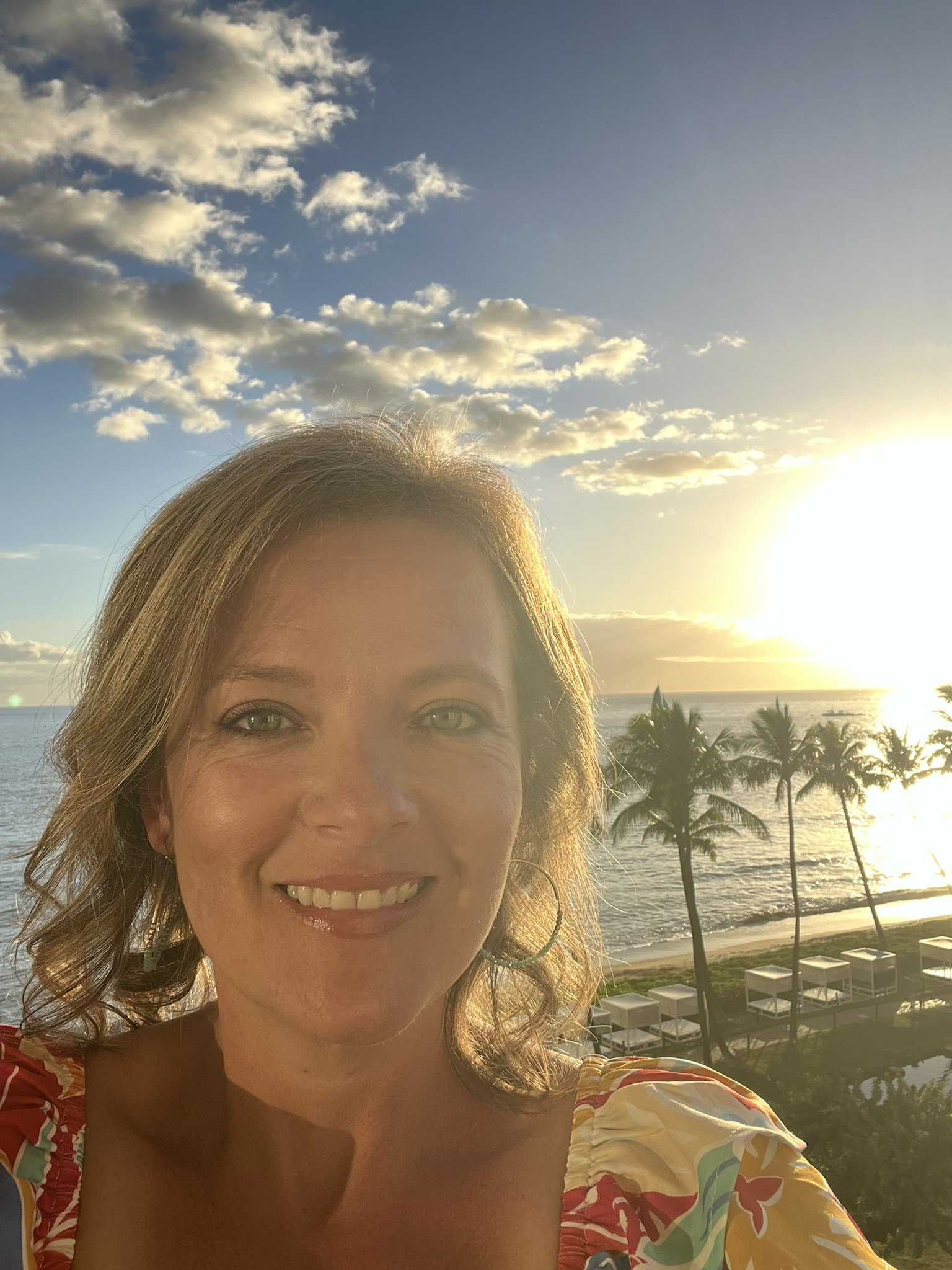
How I Approach a Hawai’i Trip
No two Hawai’i trips look the same, and that's exactly the point. Before I recommend a single resort or start building an itinerary, I want to understand what this trip needs to be for you. The island, the timing, the pace, the balance between adventure and stillness. Hawai’i has enough variety to get it exactly right, and enough complexity to get it quietly wrong without the right guidance.
Here's what that looks like in practice:
We start with a conversation. Not a form, not a questionnaire. A real conversation about what you're after, what you've done before, and what matters most.
I handle the details you don't want to think about. Resort selection, room category, inter-island logistics, and the dozen small decisions that add up to a trip that feels seamless rather than scrambled.
You receive a complete itinerary, not a list of links. Everything organized, confirmed, and delivered through a dedicated travel app so the information you need is always with you.
And then you just show up.
Frequently Asked Questions
-
This is one of the most important distinctions in Hawai’i travel and one of the least understood. Oceanfront means your view faces the water. Beachfront means you're steps from sand you can actually use. In Hawai’i, those are not always the same thing. Some of the most stunning oceanfront properties sit above rocky shorelines with no swimmable beach nearby. Knowing which you're booking, and which one matters to you, is exactly the kind of detail that changes a trip.
-
The common advice is to stick to one island, and for shorter trips that holds. But with seven days or more, two islands is absolutely doable if you plan it right. The key is being intentional about the pairing. Two islands with similar energy is redundant. Two islands that complement each other, one more resort-focused, one more immersive, creates a trip with real range. What I'd steer you away from is island hopping for the sake of it. Three islands in ten days is a logistics exercise, not a vacation.
-
Earlier than most people expect. For travel during peak season, meaning the holidays, January through March, and summer, twelve months out is not too soon for the best resort categories and room types. Properties that look available online often have the least desirable rooms left. For shoulder season travel in April, May, September, or October, six to nine months typically gives you good selection without locking in too far ahead. The one variable that changes everything is a specific experience you can't miss, whale watching season, a particular resort, a suite with a specific view. Those have their own timelines and the earlier you start that conversation the better.
-
You can book Hawaii on your own. But Hawaii has more nuance than its reputation suggests, and the details that get missed aren't always obvious until you're already there. Resort categories vary significantly within the same property. Timing affects everything from whale sightings to crowd levels. Not every beautiful hotel sits on a beach you'd actually want to swim at. And increasingly, Hawaii's most iconic natural sites require advance reservations that open on specific dates and sell out fast. A good advisor doesn't just save you time. They save you from the trip that almost worked.
-
Genuine firsthand experience across the islands matters more than a certification alone. Hawai’i is specific enough that the difference between an advisor who has been there once and one who has visited repeatedly, across multiple islands, shows up in the details of your trip. Beyond experience, look for someone who specializes. A generalist who books everywhere from Europe to the Caribbean to Hawai’i is not the same as an advisor whose focus is the Pacific. You also want someone who asks more questions than they answer in the first conversation, because a good Hawai’i trip starts with understanding what the trip needs to be for you, not just where you want to go. Designations like Hawai’i Destination Expert indicate formal training, but the real test is whether the advisor can tell you something about Hawai’i you didn't already know.
Ready to stop researching and start planning?
Ready to stop researching and start planning?
Hawai’i is worth doing right. Let's talk about what that looks like for you.